

Why Gut Health, Performance and Quality of Life Are Inseparable?
Medical science is currently spending more time and money on gut research than any other field of medicine. The EU has already funded 216 projects over €498million to promote metagenomics and to advance our knowledge of microbes [4]. Why? Because the medical fields are starting to understand the role the gut health play in all aspect of our health. "It is increasingly recognised that the microbiome can change our mind and health status, or switch on a wide range of diseases including cancer, cardio-metabolic diseases, allergies, and obesity” [4]. We are seeing more and more businesses, coaches and “gut specialists” promoting goods and services to “help fix your gut.”

What does the NBA and British Cycling have to do with your Performance & Focus?
“The people who I see being successful, the doers. They get shit done” ~ Sir Dave Brailsford
I'm not too fond of bio-hacking as I don’t believe we can shortcut high-level performance and optimal health. Our daily routine must be structured to support our health and our environment. Only by nourishing the 5-Pillars of Sustainable Health can we start to create habits that improve our quality of life, focus and productivity. Consistency is the key to success and far more rewarding than any bio-hack. It's not the success that determines your lifestyle but your lifestyle that determines your success. For high performers, every 1% adds up.
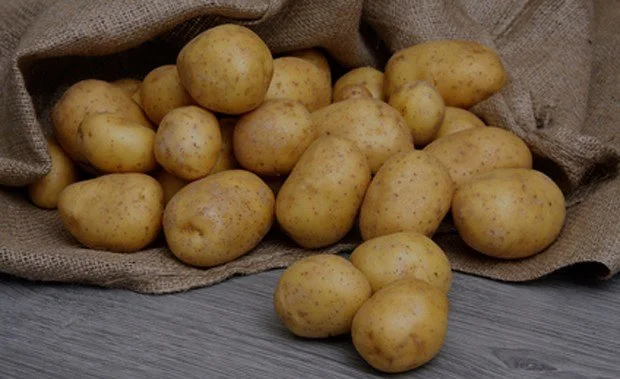
The Potato Diet
For those that have been following my (@stretch_rayner) Instagram story this week, you would have seen me posting about the potatoes diet. What is the potato diet? What are the benefits? How does it work? Why did I do it?

A Tip to Lower Stress and Improve Productivity
One of our most popular blogs to date has been The Human Stress Response - Homeostasis. Recently we asked our Team Sustain clients what aspects of Sustainable Health are important to them, and how can TSTMethod offer more? One common thread that seems to appear in the feedback is stress management. Stress management is important because no matter what diet you follow, how much you exercise and what supplements you take, if you’re not managing your stress you will struggle to make progress in the gym and be at risk for modern degenerative conditions like heart disease, diabetes, hypothyroidism and autoimmunity

Cultivating health and happiness is strongly liked to the practice of mindfulness
As humans, we all want to be happy and to be at peace with ourselves, and hopefully each other. However, many of us seem to place our values on material objects or specific goals that do not fulfil our actual needs.
Establish and maintain actual values in life is more about cultivating awareness of ourselves and our environment, building personal resilience, and honing the ability to find a higher level of inner peace even in stressful times. Many of us seek the external approval of others and lack awareness of our authentic inner values. We are unconsciously walking through life with very little awareness of the real world.
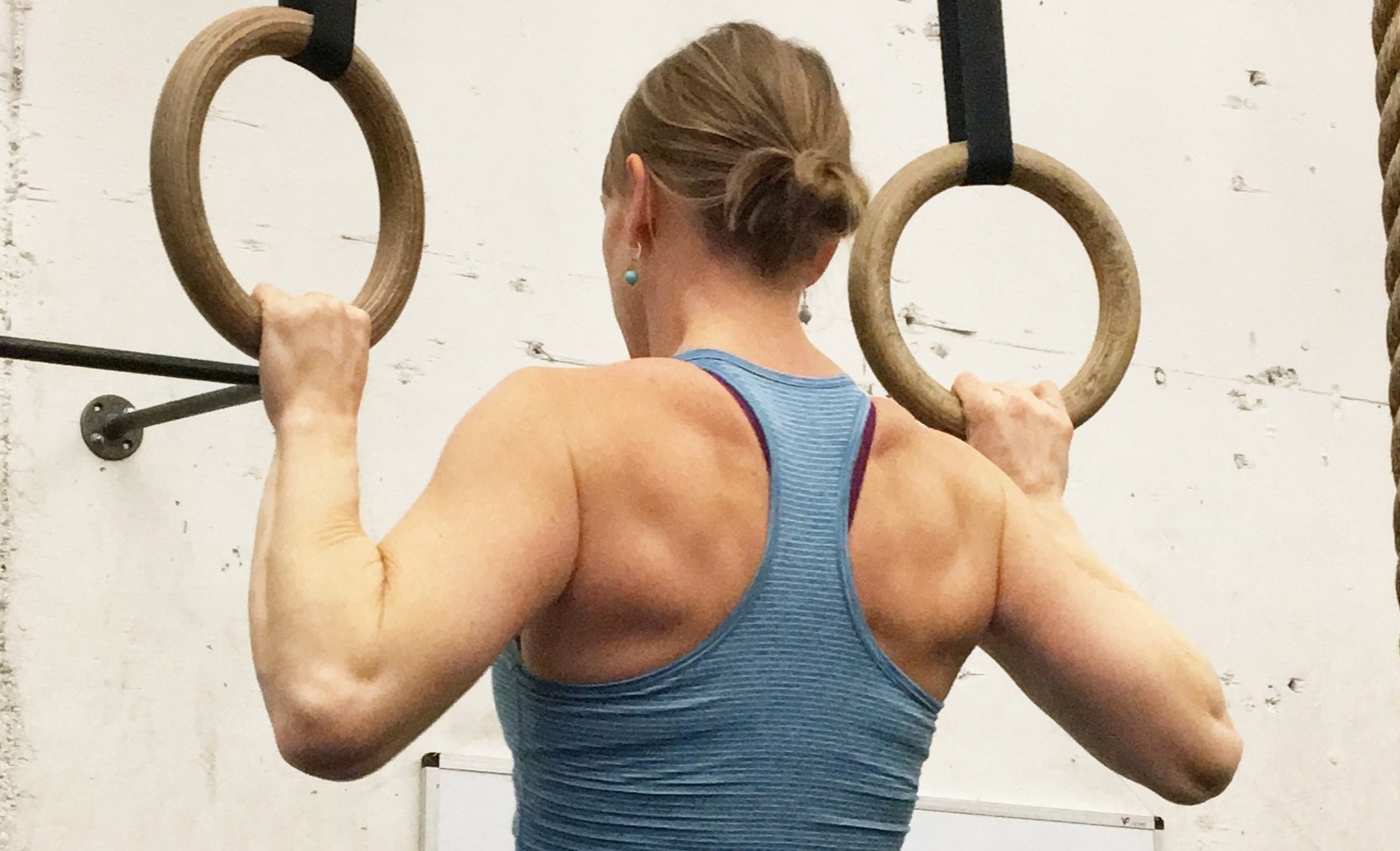
Importance of Healthy & Injury Resistant Shoulders
Shoulder health is one of the top priorities in our ID strength and mobility programmes and building a strong and stable shoulder is essential to structural balance for posture and performance.
One of the most common injuries functional fitness athletes experience is a shoulder injury. Great demands of shoulder strength and mobility are often required to effectively and safely perform movements like pull-ups, muscle-ups, handstand, snatch, cleans, jerks, push-ups, bench press, and more.

Lower Back Pain Lifting Weights
At some point in life, we all suffer from back pain. For many, it is only a short term problem. But for some, it can be a crippling ongoing issue.
Lower back pain is a growing health problem worldwide affecting people of all ages and backgrounds. Back pain is the single leading cause of disability, preventing many people from engaging in work as well as other everyday activities. Experts estimate that up to 80% of the population will experience back pain at some time in their lives. Lower back pain can be categorised as acute, sub-acute, or chronic. Several risk factors have been associated with it such as occupational posture, obesity, depression, sleep, breathing abnormalities and the list continues. What is important to bear in mind is given these facts it is likely that the spine will be at a greater risk of injury within the training room if it shows movement limitations which is generally the problematic area for the majority.

Why 1% self-improvement can make a big difference?
It’s so easy to overestimate the importance of our goals and underestimate the value of our daily actions. Instant gratification somehow convinces us that accomplishing enormous success requires enormous actions. If we need to lose weight, build a business, write a book, learn a language, win a competition, or achieve any of our goals, we often jump the gun and aim to win the race with no idea how to get out of the blocks effectively and run with the most efficient technique. We just go for it, it’s an all or nothing approach these days!
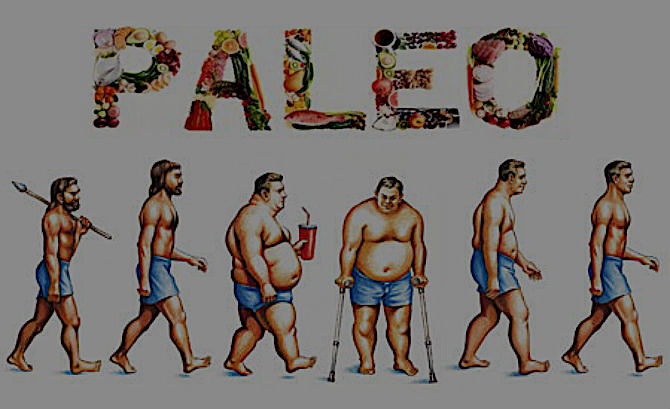
Don't Diet, Reset It.
“Move more and eat less….” Apparently that’s all you need to do, right? This is the message we've been taught to believe in the health and fitness industry for years. Cutting calories, increasing exercise, replacing meals with shakes and smoothies, intermittent fasting and a whole host of other calorie deficit protocols are common practice. None of this is new, and most of it has been around for decades. More often than not, calories deficit diets fail to deliver the results that many are seeking.

What is a Sustainable Diet?
If you struggle with irritable bowel syndrome (IBS), a low-FODMAP diet might be better for you. If you have an autoimmune disease, you may consider an autoimmune protocol and avoid foods like grains, dairy and eggs. If you have high histamine levels, you should eat a diet low in histamine. People who are suffering from thyroid issues should NOT be following a very low-carb-diet as insulin is required to convert T4 into the more active form of thyroid hormone T3. A very-low-carb diet will slow down the production of insulin and decrease the T4 to T3 conversion and make matters worse.