

Get a grip on handstands: 3 Tips for hand placement
We all know that squats are a foundational human movement (check-out the TSTM April 2020 squat challenge), but did you know that handstands are one of the foundational movements in bodyweight training?
If we're unable to perform an unweighted air squat with perfect form, we will be unable to execute loaded variations like back squats, front squats, overhead squats and Olympic lifts with optimal form. Failing to prioritise foundational movement patterns leads to poor execution, injuries, and suboptimal performance. Building a solid handstand is an essential part of bodyweight training and a stepping stone to further advanced gymnastics and callisthenics movements such as tuck handstands, straddle handstands, handstand push-ups, and the one arm handstand.
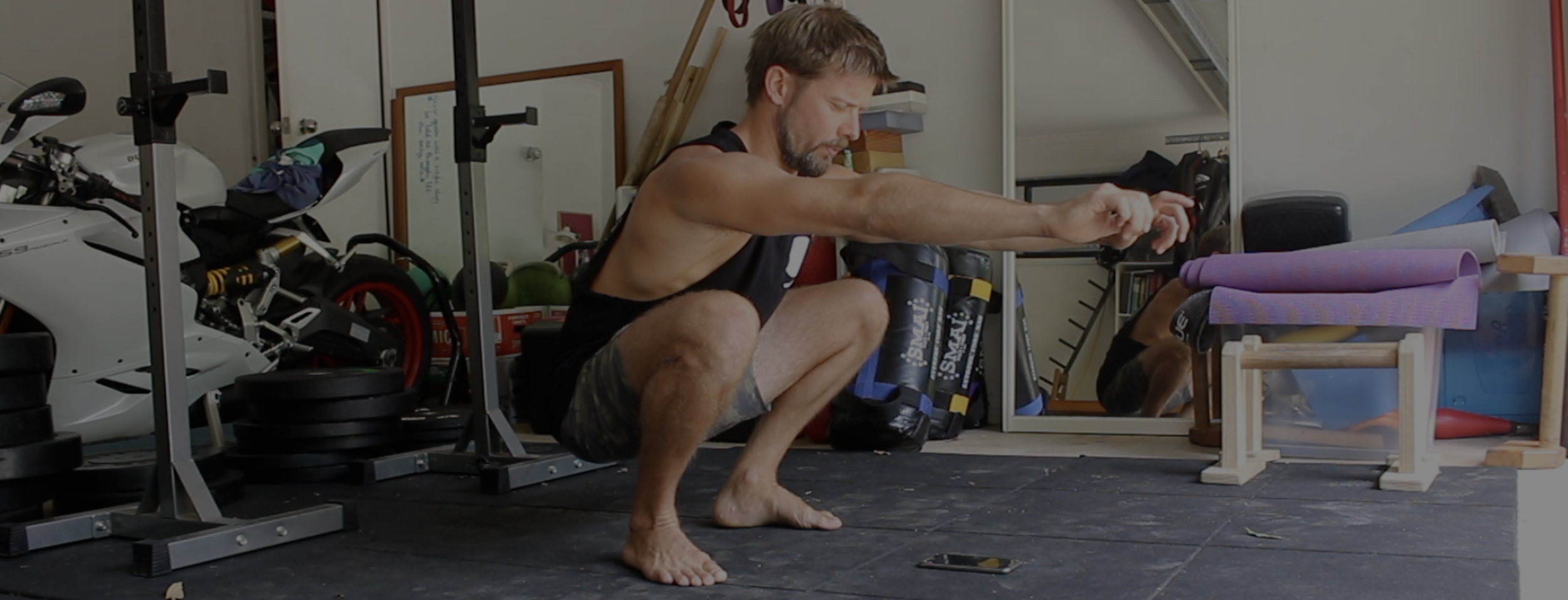
TSTM April Challange 2020
The team at The Sustainable Training Method has decided to offer a monthly challenge. Each month we will work together to post a challenge associated with the 5-Pillars of Sustainable Health:
Stress Management
Rest and Recovery
Diet
Community
Training
Our aim is to keep the challenges simply enough that you could include them in your daily lifestyle. If you can learn to change your behaviours you can learn to change your life. By installing positive habits over time we can create a healthy routine that delivers HUGE benefits.

Why fad diets are not a long-term game changer?
FAD diets are everywhere; there is keto, carnivore, vegan, intermittent fasting, eat for your blood type, if it fits your macros, potato diet, juice diets, and the list goes on and on. As personal trainers and coaches, we must understand the pros and the cons of a restrictive diet so that we can support our clients with the information they need to make an educated decision on their diet.
Fad diets remove certain foods that cause inflammation, digestive issues and can impact our hormones. Restrictive diets are designed to promote certain foods based on certain nutrients and possible health benefits. Following these diets for a short period can have beneficial impacts on performance, health, and even longevity. However, there are some potential problems to be aware of when following a restrictive diet for an extended period.

Protect The Asset Case Study
When I owned the gym in London, I would make an effort to check-in with all of the coaches, and do my best to support them in their career, training, and health goals. The first round of the Protect The Asset course is about to launch in 2020, but I’ve been coaching with health and fitness professionals for years.
Today I want to share a case study with you. One of my long term clients found a passion for health and fitness and decided to leave her job to become a personal trainer. This was an email I recently received from her after she read the Protect The Asset blogs.
Why I created Protect The Asset
I’ve worked in the health and fitness industry for over a decade, and I’ve managed to build three very different but very successful businesses. I’ve run a small personal training business Shoreditch, London, I’ve owned a gym and employed staff, and I’ve built and online health and fitness business. As health and fitness professionals the opportunities are endless, but what price are we willing to pay when it comes to our own health, happiness and success?

My Journey To A Sustainable Career
In 2009 I quit my corporate office job to follow a passion to work in health and fitness.
Since then I’ve built three businesses, competed in marathons and IRONMAN events, coached Olympic level athletes, delivered over 10,000 personal training sessions, coached over 10,000 hours of group classes, written more training programmes than I can recall, completed countless workshops, courses and certifications, worked far too many hours, worked with a dodgy business partner and come close to burn-out multiple times.
I’ve made plenty of mistakes along the way and feel that the time has come for me to share my story and help other health and fitness professionals find a future that supports their passion in a sustainable, healthy way.
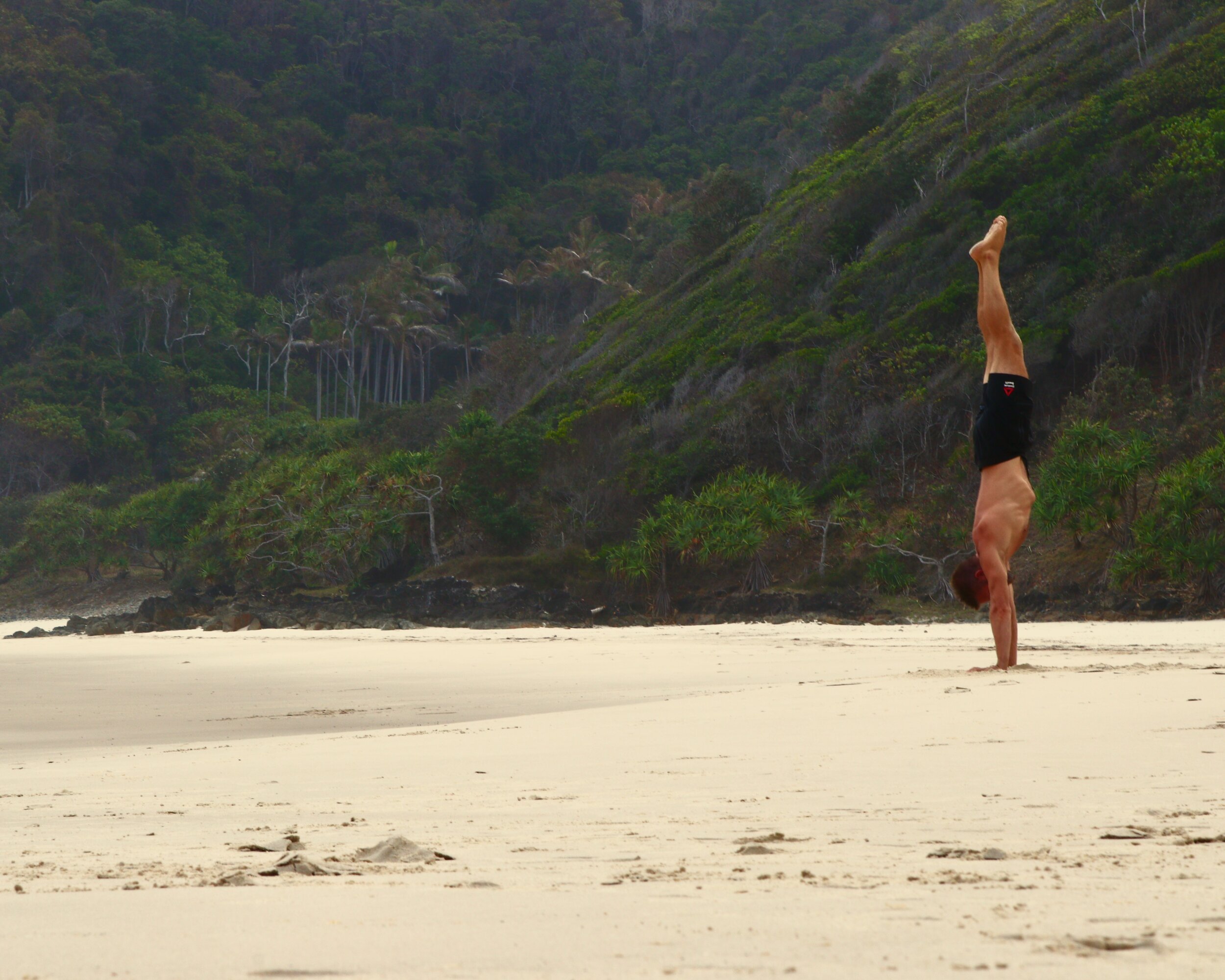
My Journey To Sustainable Training
Endurance training was once my passion. As an enthusiastic triathlete, I would train for 30-40 hours a week. I thought I was doing my body a favour but in actual fact, I was setting myself up for lingering injuries and low muscle mass. During my hardcore running days, I was only 68kgs (skinny-fat).
Fast forward to now and I embrace a varied approach to training. From weights to gymnastics with a focus on movement quality, strength, mobility and setting my body up for success. I’m happy to report that I train on average 6-8hours a week (rather than 40!) and weigh a very healthy 80kgs.
My Journey To Sustainable Health
This has been a hard topic to write about. Why? Because I went the wrong way about it. I pushed when I should have pulled. I trained when I should have slept. I sabotaged my body rather than nurtured it. Basically, I made all the mistakes.
It all started in 2008. I was working in a burn and churn gym. You know the ones that bank on the fact they’ll sign members who never attend? The ones that pump through personal training sessions focused on the number of sessions over the quality of sessions without actually teaching their personal trainers anything valuable? Yes, one of those.

Are coaches and physios giving the wrong advice about ICE?
Ice may not be the best treatment for aching muscles — in fact, it could even be detrimental to recovery. The American Journal of Sports Medicine (2004), The Journal of Athletic Training (2004), The Cleveland Clinic (2011) … the consistent peer-reviewed results go on and on...
Recovery is the one thing that many of us struggle to get right. High performers often fail to realise their maximum potential due to injuries or illness caused by under-recovery. It's easy to be inpatient and push the boundaries in training and life because we believe “working harder” is the key to performance improvements… right? We must learn to let go of exhaustion as a status symbol and productivity as a measure of self-worth and start to cultivating play and rest.

Did Magneto have Hemochromatosis?
Iron deficiency and iron overload are two common problems that exist in our society. Iron is critical to antioxidant defence, immune health, thyroid health, energy production (inside the mitochondria of every cell) and a whole host of things going on in the body, beyond just haemoglobin.
Anyone with a complicated set of health problems which has an iron deficiency would be wise to address the iron deficiency as a matter of priority. Anemia is a deficiency is properly functioning red blood cells. One possible reason for this is iron deficiency anemia, a common condition that developed when your blood lacks enough healthy red blood cells, or a lowered ability for the blood to carry oxygen. Iron overload is also very common, and yet most people have never heard of it, and most medical doctors fail to diagnose and treat the issue.