
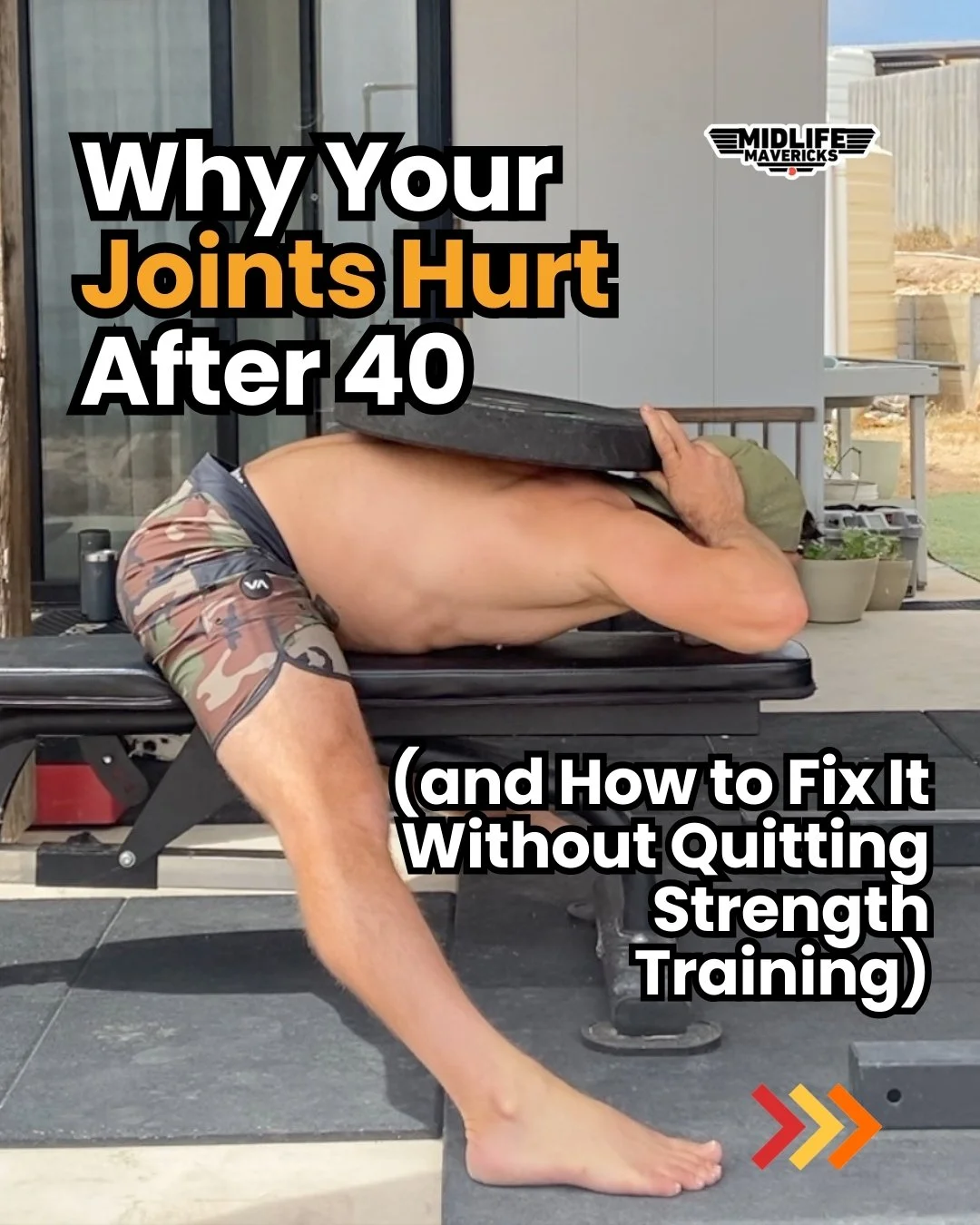
How to Protect Your Joints and Build Strength After 40
By midlife, most men carry battle scars, sore knees, cranky shoulders, and stiff backs. The problem isn’t that you’re old or broken, it’s that you’re still trying to train like you did at 25. The solution isn’t to stop lifting heavy, but to lift smarter.
Science shows that strength training is one of the best tools for protecting joints, reducing injury risk, and maintaining movement quality into later life.
Here’s what the evidence says about training sustainably, without breaking down.
Forget Low Salt: Why Men in Midlife Should Focus on Potassium and Magnesium - PART 8
We’ve touched on potassium and magnesium, but let’s drive home their roles in the salt and blood pressure story, because this is where conventional advice truly missed the mark. You shouldn’t think about sodium alone; consider the sodium-potassium ratio and overall mineral intake instead. These ratios may be more significant than the absolute amounts of sodium.
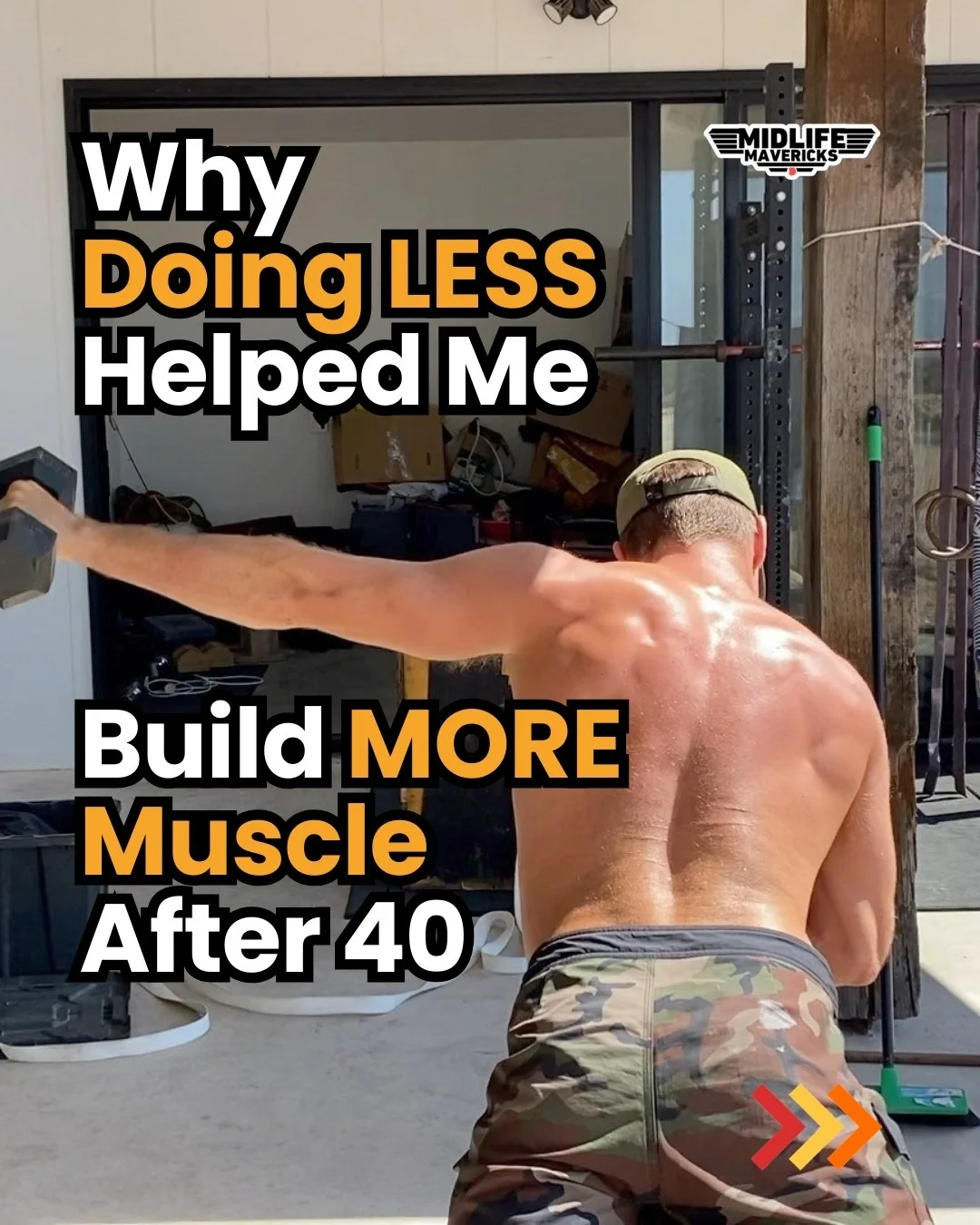
Why Doing Less Helped Me Build More Muscle After 40
There was a time in my life when I thought training harder was always the answer.
I’d hit the gym 5,6 even 7 days a week. Some sessions lasted over two hours. I figured if I just did more, I’d build more muscle. But here’s what really happened:
The Hidden Dangers of Low-Salt Diets (Especially for Men in Midlife) - PART 7
We’ve hinted that very low salt intake can be harmful, but let’s spell it out clearly. What actually happens to your body when you don’t get enough sodium? This is especially pertinent for men who have dutifully cut out salt for years – you may recognise some of these symptoms in yourself.
Here are 9 key risks and effects of chronic sodium insufficiency or aggressive salt restriction, along with signs to watch for:

Why Strength Is the Foundation of Health in Midlife (And the Research That Proves It)
Many men in their 40s and 50s rely on cardio workouts, circuit training or HITT classes to stay “fit enough.” Take Mark, a 50-year-old who jogs a few times a week and does body-weight circuits occasionally. He figures that as long as he keeps his weight in check and his heart pumping, he's healthy.
But recent science suggests a missing piece: building and maintaining muscle strength.
From Keto to Stress: Why Many Midlife Men Need More Salt Than Guidelines Allow - PART 6
Most men in midlife have been told the same thing about salt: eat less, protect your heart. But the truth is, salt needs aren’t one-size-fits-all. In fact, depending on your diet, lifestyle, and health, you may actually need more salt than mainstream guidelines recommend.
If you’re following a low-carb diet, training hard, working a physical job, drinking a lot of coffee, under high stress, or sweating buckets in the sauna, cutting salt can leave you feeling weak, dizzy, or constantly fatigued. For some men, it can even make blood pressure and heart health worse, not better.
This article breaks down the real-life scenarios where men in midlife need extra salt to perform, recover, and feel their best, and why blindly following the old “less salt is healthier” message could be holding you back.

5 Reasons Men Over 40 Need to Train Differently
If you’re a man in your 40s or 50s, chances are you’ve noticed training doesn’t feel the same as it did at 25. Workouts that used to leave you feeling energised now leave you sore for days. The weights don’t move as easily. Injuries crop up more often. And somehow, the belly fat seems harder to shift, even if you’re “working just as hard.”
Once you hit 40, your body changes and your training needs to change with it.
That doesn’t mean giving up on strength, muscle, or performance. In fact, it’s the opposite. With the right approach, men in midlife can build strength, maintain a lean physique, and perform at a high level for decades. But the key is training smarter, not harder.
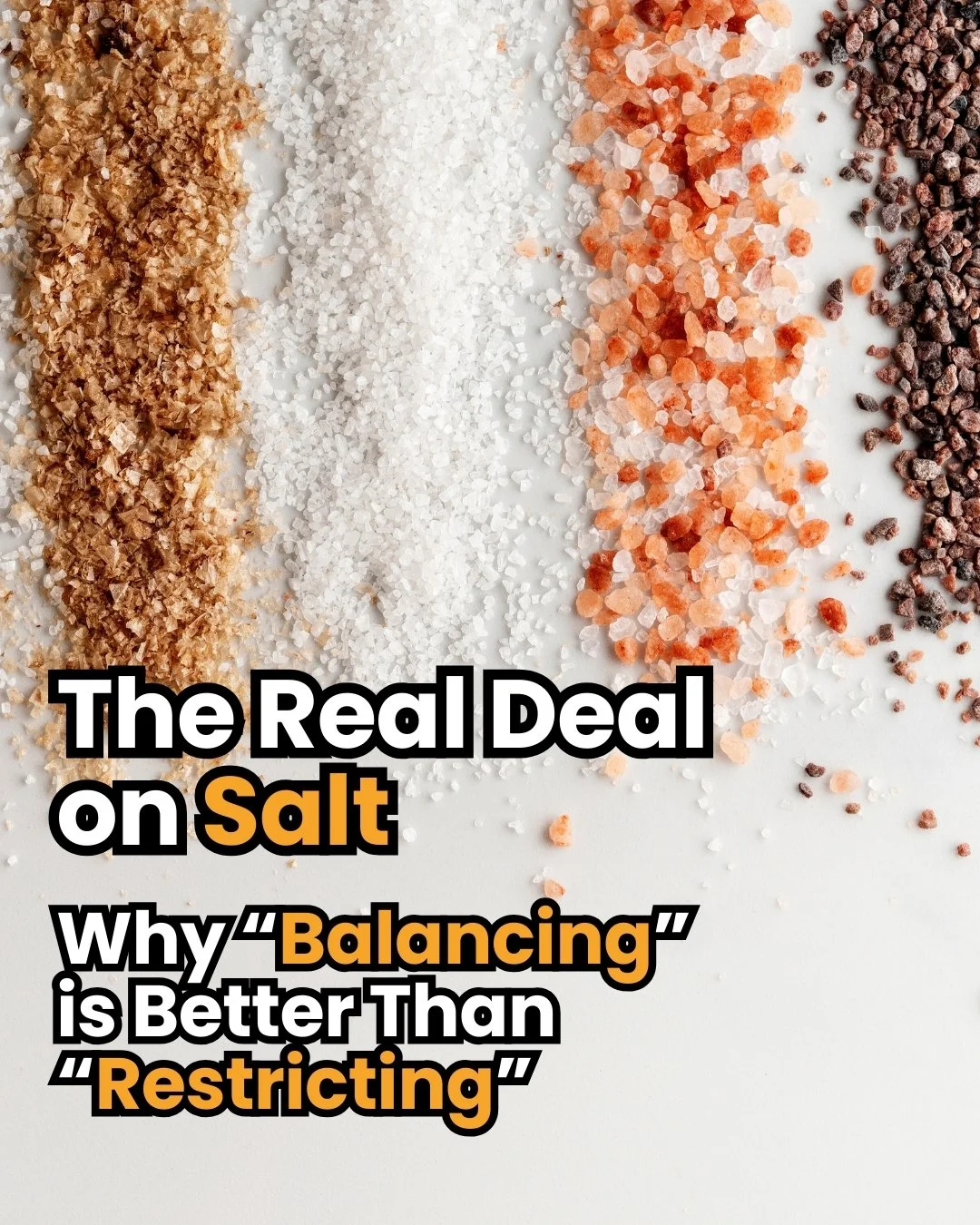
The Real Deal on Salt: Why “Balancing” is Better Than “Restricting” - PART 5
For many midlife men, a rigid 1500 mg limit could be unnecessarily low and make it hard to stay hydrated and energised.
Another issue is that focusing on a single number ignores context; getting 3,000 mg of sodium from a fast-food burger meal full of trans fats is not the same as sprinkling 3,000 mg worth of mineral-rich sea salt on home-cooked veggies and lean protein.
The source and context matter, but current RDAs don’t distinguish these nuances.

The Best Strength Training Structure for Men Over 40
If you’re a man over 40, you don’t need to spend 6 days a week in the gym to see results. In fact, the best approach is smarter, not harder. When it comes to building strength, muscle, and long-term health, 2–4 well-structured strength training sessions a week is all you need. The key is having the right structure.

Why Your Doctor Still Thinks Salt Is Bad (And Why He Might Be Wrong) - PART 4
With such compelling evidence piling up, one might wonder: Why do mainstream organisations still tell us to restrict salt so much? There are a few reasons the “salt is evil” narrative persists in conventional guidelines, despite the evolving science: